The way people approach facial rejuvenation has changed as more attention shifts toward personalized treatments and natural-looking results. Rather than focusing only on wrinkles, many individuals also consider changes in facial volume and contour. Information from Coolaser Clinic can help readers explore facial fat grafting, a procedure that transfers a person’s own fat to selected areas of the face. While this technique may help restore volume in suitable candidates, understanding its purpose, limitations, and recovery requirements is essential before considering treatment.
Why Facial Contours Change Over Time
Facial features are influenced by several structures, including skin, fat compartments, muscles, and bone. As people age, these structures change at different rates. Some areas gradually lose fullness, while others may develop more noticeable folds or changes in definition.
Genetics, weight fluctuations, sun exposure, and general aging can all influence facial appearance. For example, reduced fullness in the cheeks may create a more hollow look, while changes around the temples can affect the overall balance of the face.
These concerns are not always related to skin quality. Moisturizers and other skincare products can support the skin’s surface, but they cannot replace lost volume beneath it. Therefore, people researching facial rejuvenation often explore treatments designed to address specific structural changes.
How Facial Fat Grafting Works
Facial fat grafting is a procedure in which a medical professional removes a small amount of fat from a donor area, processes the collected tissue, and transfers it to selected facial regions. The donor area may be the abdomen, thighs, or another suitable location, depending on the patient’s anatomy and the treatment plan.
The procedure generally involves three stages: fat collection, preparation of the tissue, and careful placement into the target areas. The exact method depends on the practitioner’s approach and the patient’s needs.
Doctors may consider this technique for areas such as the cheeks, temples, or certain facial hollows. However, the procedure is not suitable for every concern, and a detailed assessment is necessary to determine whether it is an appropriate option.
Because the treatment uses the patient’s own tissue, it differs from many injectable fillers. Nevertheless, facial fat grafting remains a surgical procedure with its own risks, and using natural tissue does not guarantee a complication-free experience.
Which Areas May Benefit From Fat Transfer?
The treatment plan depends on the patient’s facial anatomy and the changes they want to address. Some people seek additional cheek fullness, while others want to soften hollow areas around the temples.
In selected cases, practitioners may also consider fat transfer for other areas where volume restoration could improve facial contours. The amount of fat used and its placement must be carefully planned to maintain balanced proportions.
A successful outcome does not necessarily require a dramatic change. In many cases, the goal is to improve volume in a specific area without making the face look excessively full or altering its recognizable features.
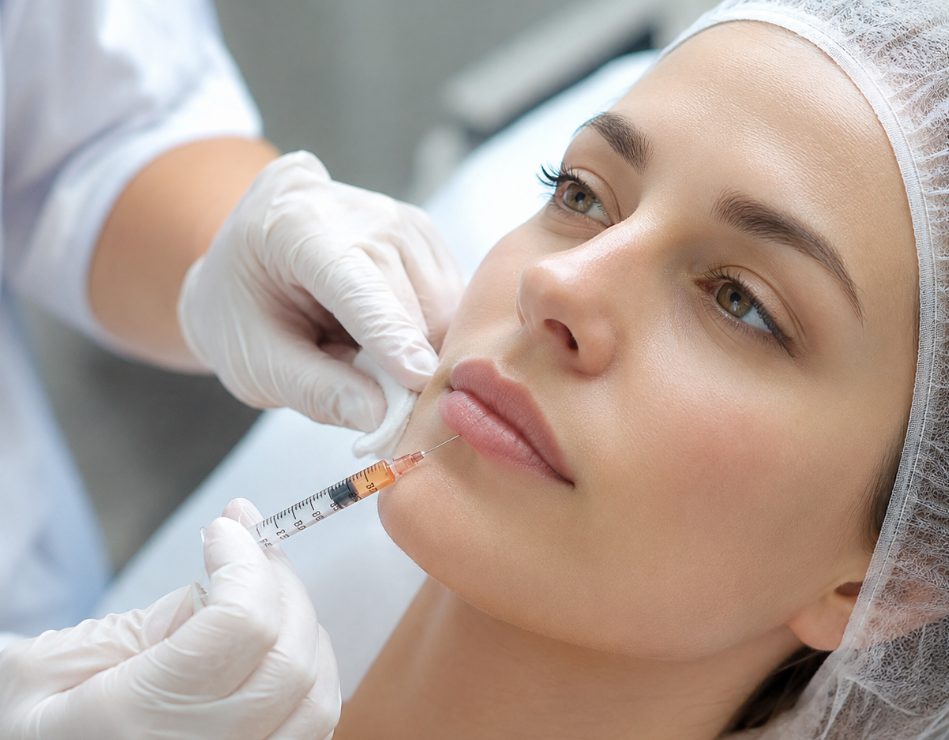
However, facial concerns can have different causes. Loose skin, deep wrinkles, pigmentation, and uneven texture may require different treatments. A medical consultation helps clarify which concerns fat transfer may address and which may need another approach.
What Influences the Final Results?
One important factor is how much of the transferred fat survives after the procedure. The body naturally reabsorbs some of the transferred tissue, and the retained amount varies between individuals.
Consequently, the appearance immediately after treatment may not reflect the long-term result. Swelling can initially make the face look fuller, while later changes occur as healing progresses and some transferred fat is reabsorbed.
Other factors include the amount of fat transferred, the treatment area, the practitioner’s experience, and individual healing characteristics. Significant weight changes may also affect facial volume over time.
For these reasons, medical professionals cannot guarantee an exact result. Patients should discuss realistic expectations, the possibility of additional treatment, and how outcomes will be evaluated during follow-up visits.
Recovery and Aftercare Considerations
Recovery varies according to the extent of the procedure, the donor area, and the individual’s healing response. Swelling, bruising, tenderness, and temporary asymmetry are common possibilities during the early recovery period.
Patients should follow their surgeon’s instructions regarding wound care, physical activity, sleeping positions, and follow-up appointments. They should also ask when they can safely return to exercise, work, and their usual skincare routine.
It is important not to judge the outcome too early. As swelling subsides, the facial contours become easier to assess. The medical team can monitor progress and advise whether the recovery is proceeding as expected.
Severe pain, unusual skin discoloration, vision changes, or rapidly worsening swelling require urgent medical assessment. Although serious complications are uncommon, they can occur and should never be ignored.
Questions to Ask Before Choosing Treatment
Before proceeding with facial fat grafting, patients should understand both the potential benefits and the limitations. A consultation is an opportunity to review medical history, discuss goals, and assess whether the procedure is suitable.
Useful questions include:
- What results are realistic for my facial anatomy?
- Which areas could be treated, and why?
- What complications should I understand before proceeding?
- How long might recovery take?
- Could I need another procedure to achieve my goals?
- What qualifications and experience does the practitioner have?
Patients should also ask about the surgical setting, anesthesia, aftercare, and total costs. Reviewing these details in advance helps them make a decision based on medical suitability rather than appearance trends alone.
Final Thoughts
Facial fat grafting offers one option for people who want to address selected areas of facial volume loss using their own tissue. Its suitability depends on individual anatomy, health, expectations, and the practitioner’s assessment.
Careful preparation and realistic expectations are essential. By learning about the procedure, discussing potential complications, and considering alternative treatments, patients can make a more informed decision about their facial rejuvenation goals.

