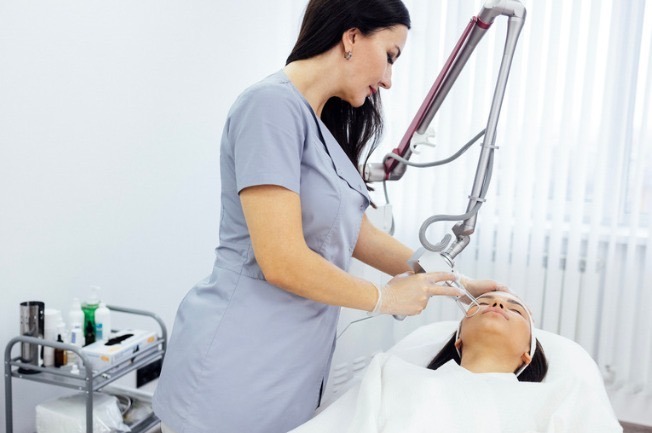
Red spots on the skin can appear for a variety of reasons, ranging from minor irritation to more serious health conditions. If you want professional advice or assessment, you can learn more about skin care services here. Understanding the possible causes and symptoms is essential for proper care and treatment. Early attention can prevent complications and help maintain healthy skin.
Common Causes of Red Spots
Red spots may develop due to multiple factors, including:
- Allergic reactions to foods, medications, or environmental triggers
- Infections, including bacterial, viral, or fungal
- Skin conditions like eczema, psoriasis, or rosacea
- Heat rash or irritation from friction or sweating
- Insect bites or stings
Recognizing the underlying cause is the first step in selecting the appropriate treatment.
Symptoms to Watch For
In addition to redness, certain symptoms may indicate a more serious condition:
- Itching, burning, or pain
- Swelling around the spot
- Rapid spreading of spots across the body
- Fever or general malaise accompanying the spots
- Changes in shape, size, or color over time
If you notice these signs, it is advisable to seek professional medical advice promptly.
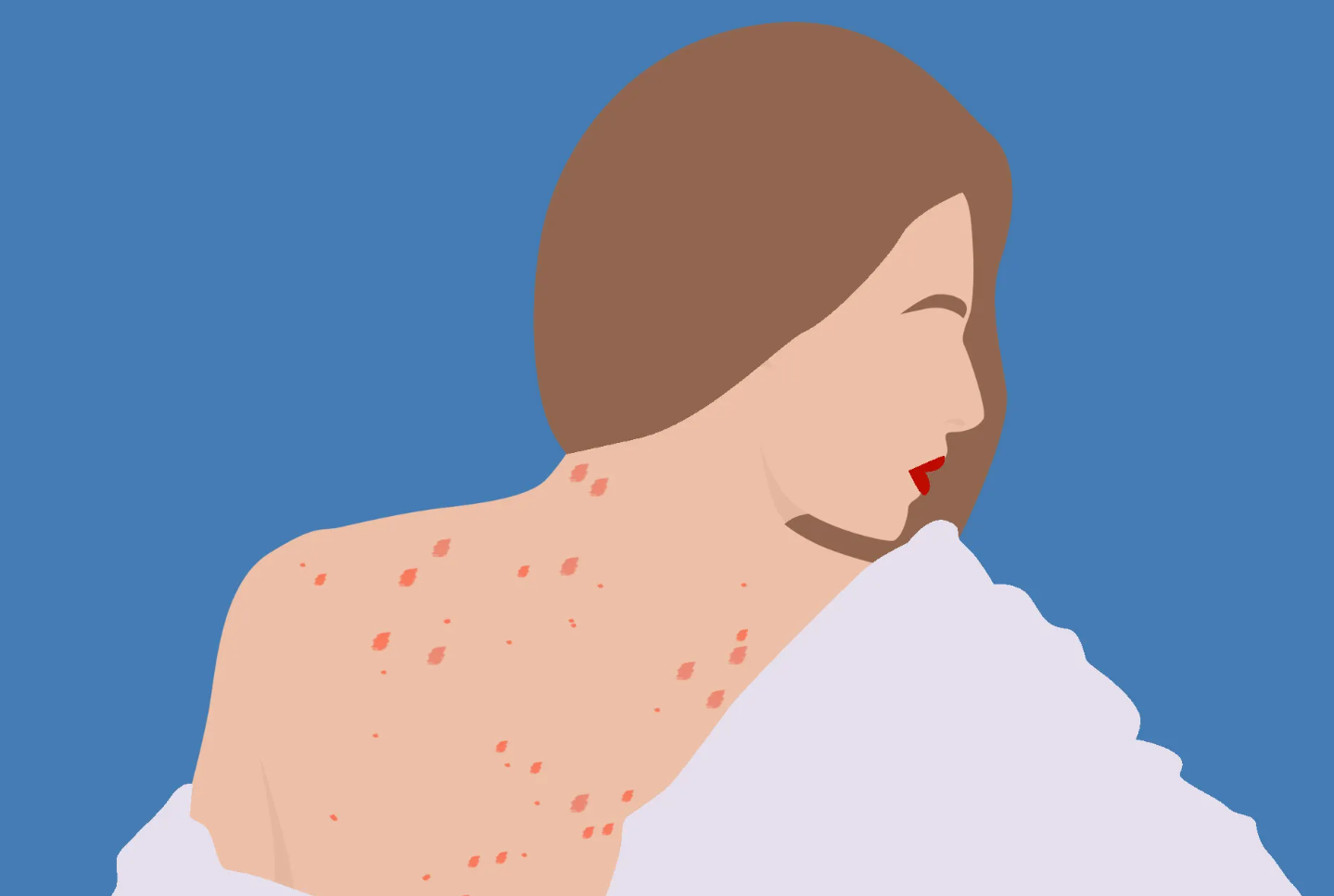
When to See a Doctor
While many red spots are harmless, some require urgent attention. You should consult a doctor if:
- Spots are accompanied by fever or other systemic symptoms
- They appear suddenly and spread rapidly
- There is persistent pain, bleeding, or oozing
- You have underlying health conditions that may worsen skin reactions
Professional evaluation ensures accurate diagnosis and appropriate treatment.
Home Care and Management
For mild cases, certain home care measures can help:
- Keep the affected area clean and dry
- Avoid scratching or rubbing the spots
- Use gentle, fragrance-free moisturizers
- Apply cold compresses to reduce irritation
- Track triggers such as new foods, cosmetics, or detergents
These steps can relieve discomfort and prevent further irritation.
Medical Treatments
Depending on the cause, doctors may recommend:
- Topical creams or ointments for inflammation or infections
- Oral medications for allergic reactions or infections
- Light therapy or specialized treatments for chronic skin conditions
- Patch testing to identify allergens causing red spots
Timely professional intervention improves outcomes and reduces the risk of complications.
Preventive Measures
Preventing red spots involves proactive skin care:
- Maintain proper hygiene and moisturize regularly
- Avoid known allergens and irritants
- Wear breathable clothing to reduce friction and sweating
- Protect skin from excessive sun exposure
- Monitor skin regularly and seek early evaluation for unusual changes
By following preventive measures, you can reduce the frequency and severity of red spots.
Conclusion
Red spots on the skin can result from minor irritation or indicate more serious conditions. Understanding the causes, monitoring symptoms, and seeking professional care when necessary are crucial. With early attention and proper management, most cases can be resolved effectively. For any persistent or concerning red spots, professional guidance ensures your skin remains healthy and comfortable.